
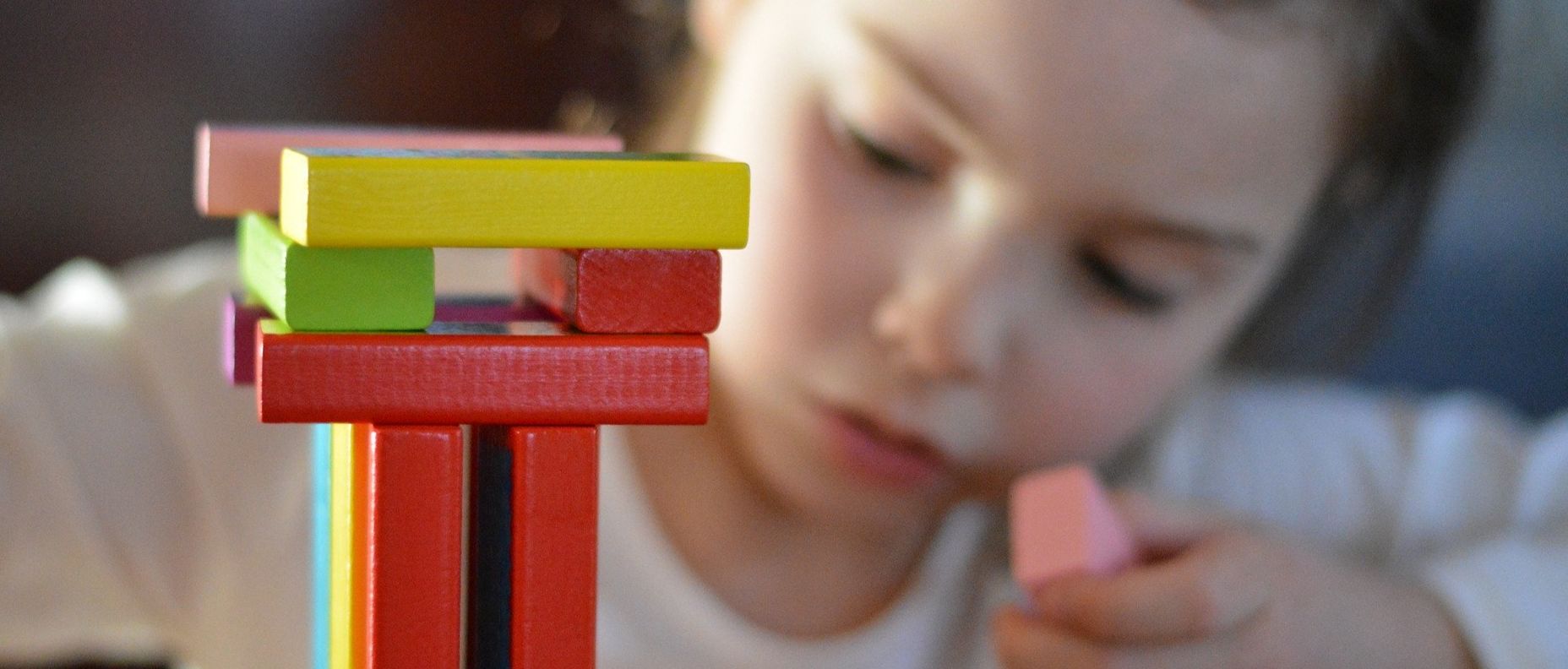
Why is Play Therapy needed?
Children often encounter difficulties as they grow and develop, bullying, illness, bereavement, separation, friendship issues and abuse are just some examples. A wealth of evidence points to a significant need for early intervention. So, why can’t children just tell us what’s difficult?
Let’s look at the order in which the brain develops from birth to adolescence;
- Motor and sensory input (brain stem)
- Attachment, emotions and behaviour (limbic brain)
- Thinking, planning, inhibiting and learning (cortical brain)
The key thing to note here is that the child’s brain develops from the bottom up, so the higher brain
regions do not work properly if the lower regions are stuck.
- Academic learning happens in the cortical brain. If proper development in the first two brain areas doesn’t happen, the child will not be able to learn.
- The child cannot form secure attachments, think, learn or reflect if the brain is stuck on a survival loop in the brain stem.